Category: Gear Guides

  • Low Mounts: Comfort vs. Contact

    The chatter about running optics low is getting louder, and honestly, it’s about time we cut through the noise. This ain’t about looking cool; it’s about putting rounds on target efficiently when the pressure’s on, and not fighting your gear for 12 hours straight.

    The Ergonomics Trade-off

    • Yeah, a lower mount often means a tighter cheek weld. That’s good for consistent head position, reducing parallax errors, and getting a faster sight picture on paper. For static range work or precision shooting from a bench, it feels natural.
    • But what happens when you’re moving, wearing plates, or need to acquire targets quickly from non-standard positions? That deep, crunched neck position might feel great for a minute, but it’s a liability over extended periods. Ask anyone who’s worn a helmet and nods for hours – neck strain is real, and it degrades performance.

    Peripheral Vision & Situational Awareness

    A super low mount can sometimes force your head down, restricting your peripheral vision. You’re tunneling vision more through the optic, which can make scanning and maintaining situational awareness harder. High-stress environments demand maximum visual input, not less.

    Gas Mask / NVG Considerations

    This is where low mounts often fall apart. Try getting a usable sight picture with a gas mask on and a low optic. It’s usually a no-go. Same for passive aiming with night vision; you often need that extra head lift to clear the NVG tube and get a comfortable posture. Your gear needs to work with all your gear, not just part of it.

    The “Sweet Spot” – A Myth?

    There’s no universal “sweet spot” for optic height. It’s highly individual, depending on your build, neck length, and the rest of your kit (helmet, body armor, plate carrier setup). What feels good dry-firing in the living room might be absolutely terrible after 3 hours on the range under drills.

    Civic Standard’s Take

    Don’t chase a trend because some influencer says it’s “meta.” Experiment with different heights. Test it under stress, moving, with your full loadout. Can you clear obstacles? Can you transition targets efficiently? Can you do it fatigued? If not, it’s not optimal.

    Optimal kit is about performance under duress, not perceived comfort during a photo op. Test your setup until it breaks, then figure out why, and build it stronger next time.
  • Gear Stability: Stop the Wobble

    It’s June 2nd, 2026. We’re seeing too many reports of gear failing where it shouldn’t: under stress, in the field. This ain’t about new features or shiny optics; it’s about the basic shit that keeps your rig solid when rounds start flying. Let’s talk about why your kit’s falling apart, not just performing below spec.

    Bipod Stability is Non-Negotiable

    That bipod wobble on your AR-15 or precision rifle? It’s not just annoying; it’s actively sabotaging your shot. Uneven weight distribution, increased recoil, reduced accuracy – all from legs that aren’t locked down or properly aligned. Don’t blame the rifle; check your gear.

    • Leg Geometry & Alignment: This isn’t a suggestion, it’s a requirement. Misaligned legs mean an unstable platform. Use proper tools, verify your installation.
    • Wear Points: Rubber pads, pivot points, locking mechanisms – they wear out. If they’re sloppy, replace them. Don’t try to stretch a part past its serviceable life.
    • Mounting: A bipod bolted to a flimsy rail or improperly torqued will always give you grief.

    Rail Integrity: Where Your Accuracy Dies

    A moving rail system on a precision rifle or tactical kit is a hard no. It means your zero is compromised before you even pull the trigger. We’re talking about loose rails, stripped screws, or amateur hour installation. This directly translates to wasted rounds and missed targets.

    • Torque Specs: Follow the manufacturer’s torque recommendations. No “good’n’tight.” Over-tightening strips threads; under-tightening lets things walk.
    • Mounting Surface: Ensure the rail and receiver/handguard mating surfaces are clean and free of burrs or obstructions. Any microscopic gap means movement under load.
    • Thread Locker: Use the right stuff – blue (medium strength) Loctite for most rail screws. Red is for permanent installs, green for bearing mounts. Know the difference.

    Load Sagging: Balance is King

    Your MOLLE system isn’t a fancy backpack. When that load sags under recoil, it throws off your weapon’s balance and screws with your natural point of aim. This comes down to poor design choices in your kit or sloppy setup.

    • Webbing Tension: Keep it tight. Loose webbing allows pouches and gear to shift, creating unwanted momentum.
    • Reinforcement: If your kit isn’t built with adequate reinforcement, it’s going to fail. Know what your gear can handle. Don’t overload cheap crap.
    • Weight Distribution: Magazine extensions, holsters, pouches – where you put them matters. Distribute the weight intelligently to maintain balance and reduce felt recoil. Test your loadout dry, then live.

    Composite Durability: Beyond the Hype

    We’re seeing more composites in tactical gear, and that’s good. But “lightweight” doesn’t mean “bulletproof.” These materials have limits. Polymers, ceramics, advanced composites – they all degrade under field conditions or impact. Manufacturers are constantly balancing weight savings with actual duty-grade performance.

    • Material Science: Understand what you’re buying. Not all polymers are equal. High-temp, impact-resistant composites cost more for a reason.
    • Stress Points: Identify potential failure points in composite designs – thin sections, sharp angles, areas of constant friction or impact.
    • Field Utility: If it’s too fragile for real-world use, it doesn’t belong in your kit. Period.

    Look, we build gear that holds up, not just looks good on Instagram. These aren’t minor flaws; they’re operational liabilities. Take the time, vet your setup, and make sure your kit is built to survive the fight, not just the unboxing.

  • The Bench Standard: Quality Over Commodity

    The Bench Standard: Quality Over Commodity

    When you buy tactical accessories today, you’re usually choosing between two extremes: overpriced “tier-one” gear that costs a car payment, or generic, unvetted imports that feel like they belong on a toy.

    Civic Standard exists in the middle. We founded this brand in El Paso, TX, because we believe that “standard” gear should still be high-quality gear. For us, that starts at the bench.

    The Philosophy of “Bench-Vetted”

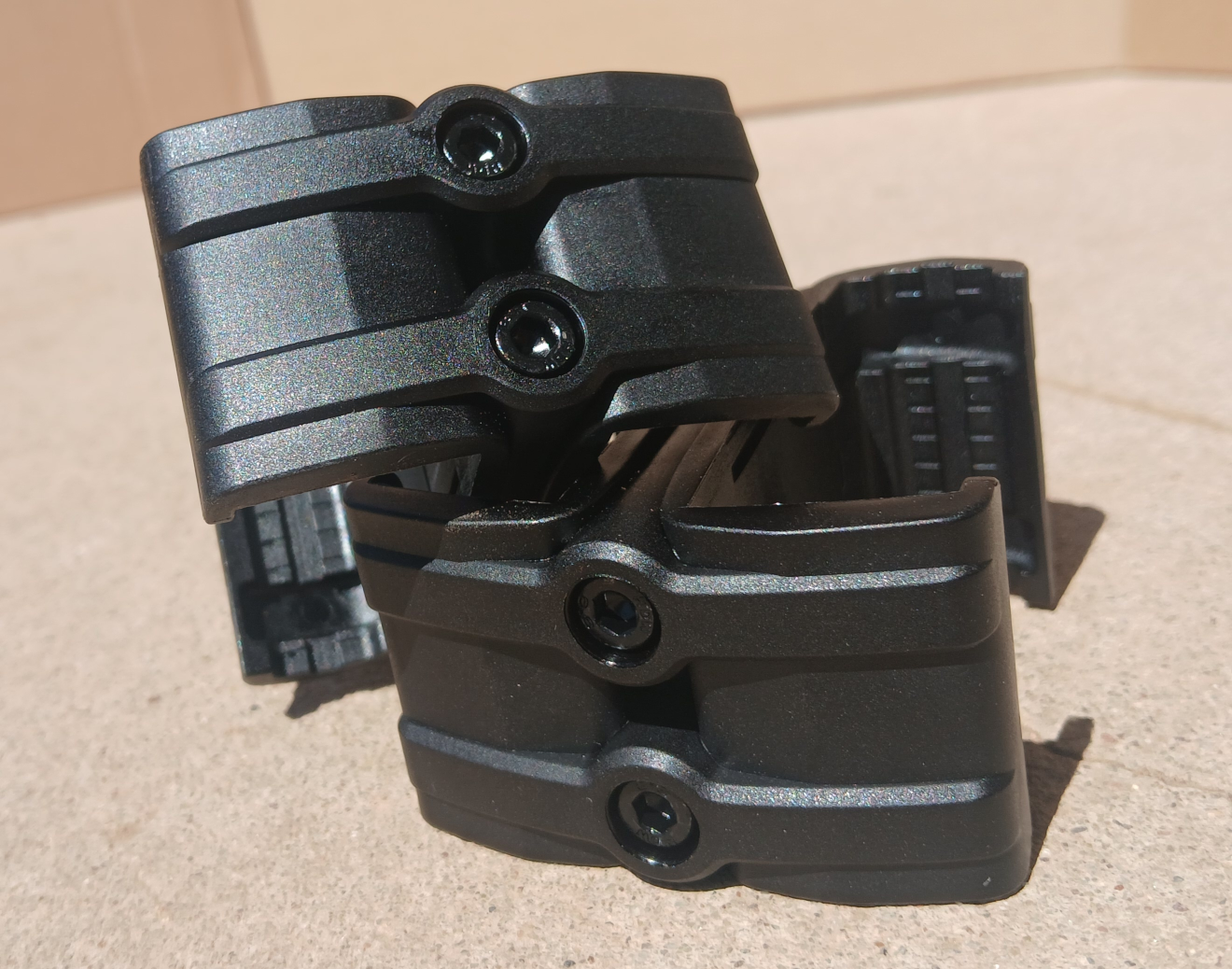
    To us, “Bench-Vetted” isn’t a fancy certification—it’s a commitment. It means that before a bipod or a magazine coupler goes into a shipping mailer, it spends time on our workbench. We aren’t a massive warehouse; we’re a small shop that actually handles the hardware.

    We look for the things that mass-production lines miss:

    • Hardware Tolerances: Ensuring screws aren’t stripped and spring tensions are consistent.
    • Surface Prep: Hand-deburring polymer edges so they don’t snag on your gear or your hands.
    • Material Integrity: Verifying the density of the 1000D Nylon and the strength of the polymer T-bars.

    Our Core Mission: Stability and Retention

    While we’re always expanding our catalog, our focus remains on the “workhorses” of your setup:

    • Bipods: A bipod is only as good as its deployment. We cycle every unit to ensure the locking mechanisms are crisp and the panning tension is smooth. Whether you’re on a bench at the range or in the dirt, your platform needs to be rock-solid.
    • Magazine Couplers: Speed is useless if your retention fails. Our couplers are checked for a high-friction fit to ensure your reloads are standardized and your magazines stay exactly where you put them, even under recoil.
    • Gear Management: Our MOLLE Retention Hooks use 1000D Nylon and reinforced polymer T-bars. We chose these materials specifically to protect your expensive bags and vests from the “sawing” effect caused by cheaper, unrefined plastic clips.

    Built for the Modern Marksman

    Civic Standard is about providing reliable, technical solutions for people who actually use their gear. We don’t believe in “tactical fluff.” We believe in hardware that works, prices that make sense, and a standard of quality that only comes from a hands-on approach.

    Every order that leaves our El Paso shop has cleared the bench. That’s the Civic Standard.